Fractional CDO
What is a Fractional Chief Development Officer?
A Fractional CDO is an experienced executive who serves as a member of your leadership team on a fractional basis—providing C-suite development leadership without the cost or immediate commitment of a full-time executive hire.
Executive Guidance
Still deciding whether a Fractional Chief Development Officer is the right model?
Understanding what a Fractional Chief Development Officer does is only part of the decision. Learn why more nonprofit organizations are choosing fractional executive leadership over hiring a full-time executive—and when it makes the most strategic and financial sense.
Right Fit
When a Fractional CDO may be the right fit.
- Your organization has outgrown its current development structure.
- The CEO is functioning as the de facto CDO.
- Revenue has plateaued.
- The development team needs senior leadership.
- You need to build the function before making a full-time executive hire.
- You are between development executives.
- You need experienced leadership but cannot justify or do not currently need a full-time CDO.
- You need an objective executive perspective before making a major growth investment.
The Full Development Function
Executive leadership across the full development function.
The right revenue strategy is different for every organization. My role is not to force every organization into the same fundraising model—it is to identify the strongest opportunities, build the strategy around them, align the team and resources required to execute, and create the systems and accountability needed for sustainable results.
Individual Giving
Major gifts, annual giving, monthly and recurring giving, donor acquisition, cultivation, stewardship, retention, and moves management.
Institutional Giving
Foundation relationships, grant strategy, grant development, institutional partnerships, and a stronger pipeline of funding opportunities.
Corporate Partnerships
Strategic partnerships, sponsorships, proactive outreach, relationship development, and opportunities that go beyond transactional giving.
Campaigns
Capital campaigns, comprehensive campaigns, campaign readiness, case development, leadership structure, prospect strategy, and execution oversight.
Revenue Strategy & Diversification
A balanced revenue model that reduces overdependence on any single funding source and creates stronger opportunities for sustainable growth.
Development Infrastructure & Modernization
Team structure, systems, CRM and data, forecasting, pipeline management, workflow design, knowledge management, performance measurement, accountability, alignment across fundraising, marketing, and communications—and thoughtful, responsible AI integration where it can strengthen the way the team works.
Consultant vs. Fractional CDO
More than advice. Embedded leadership.
Traditional consultants are hired to assess a problem, make recommendations, and deliver a plan. My role is different. As a Fractional Chief Development Officer, I become part of the leadership structure responsible for helping the organization move forward—setting direction with the CEO, translating that direction into action with the team, and creating visibility and accountability around results with leadership and the board.
I do not simply hand your team a strategy and step away. I stay engaged as the work moves forward—establishing priorities, building the systems required to execute, working through barriers, strengthening critical opportunities, and adjusting the strategy when reality requires it.
Success is not measured by the quality of a presentation. It is measured by what changes after the strategy is approved.
A Consultant Typically
- Advises
- Recommends
- Works on a defined project
- Operates outside the leadership structure
A Fractional CDO
- Leads
- Makes and helps execute strategic decisions
- Works directly with the CEO and executive team
- Provides accountability
- Develops and leads the team
- Builds systems and infrastructure
- Helps drive execution over time
From the Boardroom to the Workroom
I don't just advise the work. I help lead it.
My perspective comes from decades of being accountable for results from inside organizations. I know how to build a strategy—but I also know what happens after the strategy is approved.
Priorities compete. Teams get stretched. Systems break down. Opportunities stall. Follow-up slips. New challenges emerge. What looked straightforward in a planning session becomes much more complicated in execution. That is where experienced leadership matters.
I stay engaged as the work moves forward. I help establish priorities, build the systems and accountability required to execute, work through barriers, strengthen critical opportunities, support the team, and adjust when circumstances change. I operate at the executive level, but I am willing to roll up my sleeves and get into the work when that is what it takes to move the organization forward.
I do not measure success by whether the strategy looked good on paper. I measure it by whether the organization can execute it and produce results.
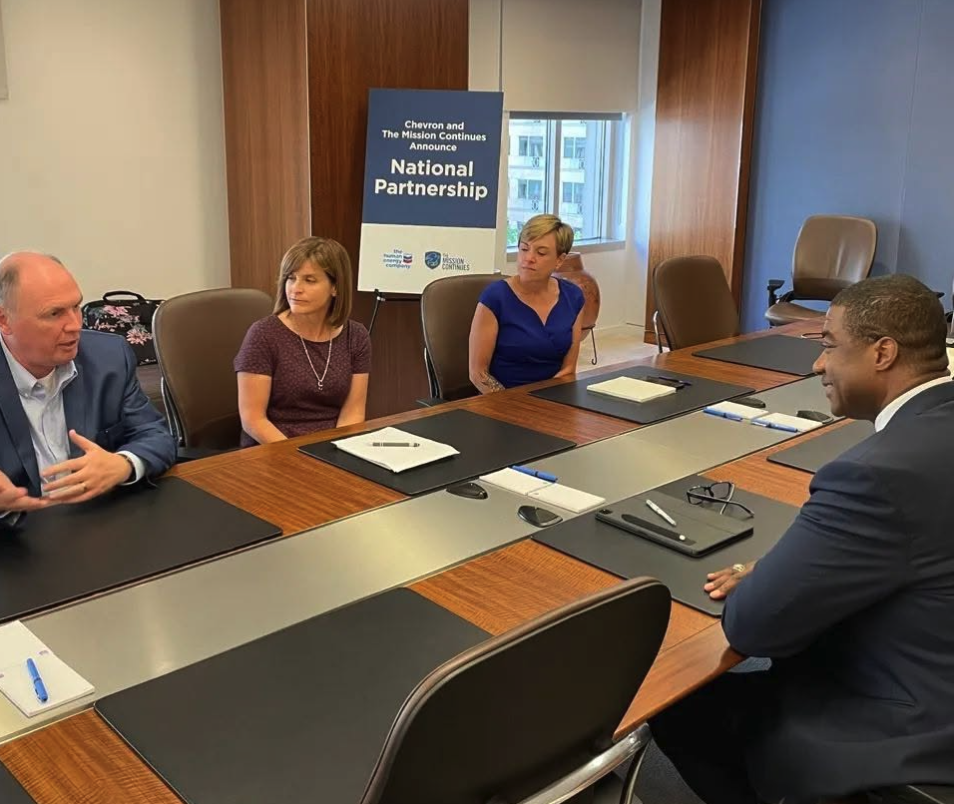
Board Alignment & Fundraising Leadership
Bringing the board along on the journey of growth.
Sustainable growth rarely happens through the development department alone. The CEO, development leadership, executive team, and board must understand where the organization is going—and why change may be necessary to get there.
I do not simply present a new strategy to the board and expect immediate alignment. I help leadership take the board on the journey—building understanding of the current revenue reality, the case for change, the path forward, and the role the board can play in making growth possible—and then translate that support into meaningful action.
The goal is an informed, aligned board that can become an active partner in the organization's growth.
Board Fundraising Engagement
Turning board support into meaningful fundraising engagement.
Board members are often told to "fundraise" without a clear understanding of what that means. Not every member needs to ask for a major gift—members can contribute by opening doors, making introductions, strengthening relationships, hosting conversations, thanking donors, sharing expertise, expanding networks, and, when appropriate, participating directly in solicitations.
I help boards identify where they add the greatest value and create clear expectations, tools, and accountability around their role in revenue development.
Development Committee
Building a development committee that actually drives progress.
A strong development committee does more than receive fundraising reports. I help organizations build or strengthen a committee that serves as an active strategic partner to the CEO and development leadership.
- Purpose and charter
- Membership and leadership
- Roles and expectations
- Performance information and dashboards
- Support for pipeline and relationship building
- Accountability without managing staff
Alignment Across Three Levels of the Organization
01
Executive Leadership
Partnering with the CEO and leadership team to set strategy, make decisions, and create accountability.
02
Development Team
Helping the team build the strategies, capabilities, systems, and execution required across the full development function.
03
Board of Directors
Helping the board understand the growth journey, align around necessary changes, strengthen its role in fundraising, and build an effective development committee.
Development Cannot Operate in Isolation
A broader perspective than a traditional development executive.
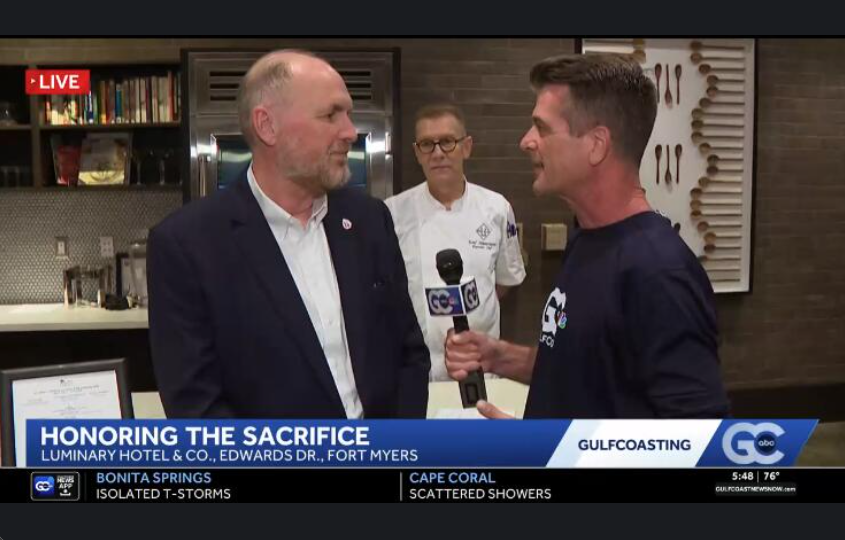
Fundraising, marketing, and communications are often managed as separate functions—even though they are working to engage many of the same audiences, tell the same organizational story, strengthen the same brand, and advance the same mission.
My experience spans all of them. I have led development, marketing, and communications functions and worked to bring them together around shared organizational goals. That perspective allows me to look beyond the development department and understand the entire growth ecosystem—from how an organization positions itself and tells its story to how it builds awareness, engages audiences, cultivates relationships, and generates long-term revenue.
I can help identify where these functions are disconnected, strengthen alignment among the teams responsible for them, and build a more integrated approach to growth.
Sustainable growth rarely comes from fundraising alone. It happens when brand, story, communications, marketing, donor engagement, and development strategy reinforce one another.
Brand Is Part of the Growth Strategy
A strong brand is not simply a new logo, color palette, or website.
A brand is how an organization understands itself, communicates its value, differentiates its work, and builds trust with the people it needs to reach.
I have led comprehensive brand refresh initiatives for multiple national nonprofit organizations—helping organizations clarify their positioning, strengthen their messaging and narrative, modernize how they present themselves, and align internal and external stakeholders around a stronger expression of the mission.
That experience matters in development leadership because fundraising does not happen separately from the brand. Donors, corporate partners, foundations, and other stakeholders respond to how clearly an organization communicates who it is, why its work matters, what makes it different, and the impact their investment can make.
I understand how to connect brand strategy, marketing, communications, and development so they work together to strengthen engagement and support growth.
Where I Can Help Strengthen Alignment
01
Organizational Positioning
Clarify who the organization is, what makes it distinct, and how it should be understood by the audiences most important to its growth.
02
Comprehensive Brand Refresh
Executive leadership of complex brand transformation—positioning, messaging architecture, visual expression, and internal adoption—aligned to development, engagement, and revenue.
03
Messaging & Narrative
Sharpen the organization's core story, case for support, and messaging so development, marketing, and communications teams speak with a consistent, confident voice.
04
Donor & Constituent Communications
Strengthen the communications that shape the donor and constituent experience across cultivation, solicitation, stewardship, and long-term engagement.
05
Digital Engagement & Audience Development
Connect digital marketing, content, and audience-building work to development goals—so awareness translates into engagement, relationships, and revenue.
06
Breaking Down Internal Silos
Align the leaders and teams responsible for development, marketing, and communications around shared goals, shared data, and a coherent donor and constituent journey.
My primary role remains Fractional Chief Development Officer. This broader experience is what allows me to see the entire growth picture—and lead the work required to bring the pieces together.
AI-Enabled Development · Human-Led Fundraising
AI-enabled development. Human-led fundraising.
Artificial intelligence is creating significant new opportunities for nonprofit development teams—but simply purchasing an AI tool does not create value. I help organizations move from talking about AI to integrating it into the way the development team actually works.
That includes identifying high-value use cases, designing the workflows, building practical applications, integrating AI into existing processes, establishing human review and governance, helping the team adopt new ways of working, and measuring whether the integration is actually creating value. Not AI theory—practical integration into real development work.
But fundraising remains fundamentally human. Relationships, trust, judgment, empathy, and authentic connection cannot be automated—and should not be.
My approach is to use AI to strengthen the work of development professionals, not replace the relationships at the center of philanthropy. The goal is a more capable development team: better informed, better prepared, more efficient, and able to spend more time on the work that requires human relationships and judgment.
Where AI Can Meaningfully Strengthen the Development Function
01
Prospect Intelligence & Preparation
Use AI to help teams synthesize information, prepare for donor and funder meetings, identify relevant connections and opportunities, and enter important conversations better informed.
02
Outreach & Personalization
Design AI-supported workflows that help teams create more relevant, timely, and personalized communications while maintaining authentic human review and voice.
03
Pipeline & Opportunity Development
Use AI to support prospect identification, opportunity analysis, research, prioritization, and disciplined follow-up across individual, corporate, and foundation pipelines.
04
Grants, Proposals & Development Communications
Use AI responsibly to support research, first drafts, synthesis, adaptation, and workflow efficiency—while maintaining organizational accuracy, strategy, and human oversight.
05
Development Team Capacity
Reduce repetitive work, improve access to institutional knowledge, strengthen internal workflows, and give development professionals more time to focus on relationships and high-value activity.
06
AI Strategy, Integration & Governance
Help organizations determine where AI should—and should not—be used, design practical workflows, establish human oversight, and create responsible practices that protect trust and organizational integrity.
AI should not be another disconnected tool. It should be thoughtfully integrated into the way the development operation works.
Your organization's next stage of growth may require a different level of development leadership.
If you are evaluating your development strategy, considering your next executive hire, navigating a leadership transition, or trying to understand what is holding revenue growth back, I'd welcome a conversation.
Schedule a Conversation
A 30-minute conversation to discuss where your organization is today, where you want to go, and whether fractional executive leadership may be the right fit.